Reality Streetwear Graphic Design: Authentic Urban Aesthetics
Understanding the Visual Language of Reality Streetwear
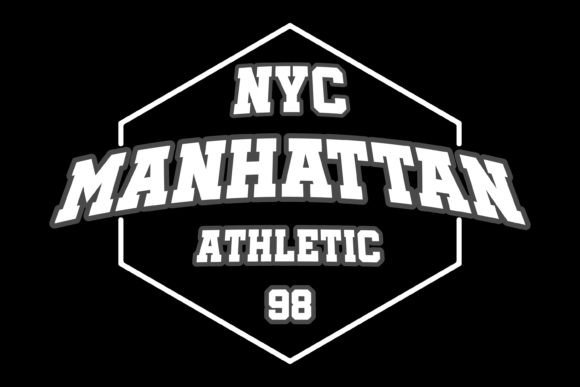
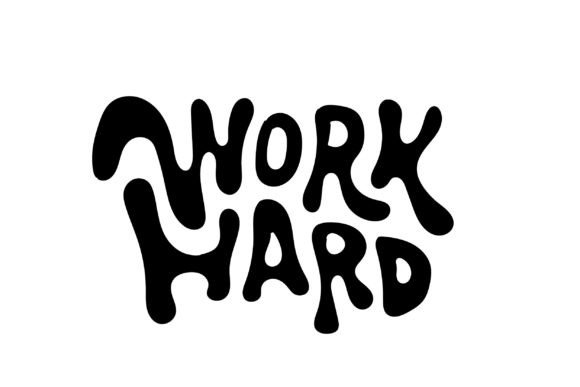
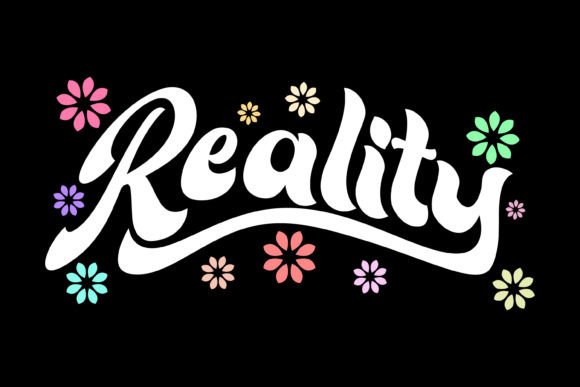
Reality Streetwear Graphic Design captures the raw energy of urban culture through its distinctive visual approach. This design style blends gritty textures with bold typography, creating graphics that feel authentic to street culture while maintaining professional quality. The visual characteristics often include distressed effects, layered elements, and typography that communicates attitude without sacrificing clarity. What makes this approach particularly valuable is its ability to connect with audiences who appreciate genuine cultural references over generic design templates.
The personality behind Reality Streetwear Graphic Design leans toward confident self-expression. These designs don't whisper—they make statements. The style typically features high-contrast compositions, strategic use of negative space, and typography that commands attention. Yet despite this boldness, the best implementations maintain enough restraint to ensure the message remains clear. This balance between impact and readability is what separates professional streetwear design from amateur attempts at edgy graphics.
Where Reality Streetwear Graphic Design Truly Shines
This design approach excels across multiple applications, particularly where authenticity matters. For apparel brands, Reality Streetwear Graphic Design provides the perfect foundation for t-shirt graphics, hoodie designs, and accessory branding. The style translates exceptionally well to merchandise because it maintains its visual impact across different production methods—whether screen printing, embroidery, or direct-to-garment digital printing.
Beyond clothing, this aesthetic works powerfully in several contexts:
- Brand Identity: For companies targeting urban demographics, this style helps establish immediate cultural connection
- Digital Content: Social media graphics, YouTube thumbnails, and podcast artwork gain authenticity with streetwear-inspired design
- Event Promotion: Concert posters, festival branding, and club night materials benefit from this energetic approach
- Product Packaging: Certain consumer products—especially in music, skateboarding, and street culture markets—gain credibility with this design language
The versatility of Reality Streetwear Graphic Design becomes apparent when you consider its adaptability. While the core aesthetic remains consistent, designers can adjust elements to suit specific projects without losing the fundamental character. This flexibility makes it valuable for both one-off projects and ongoing brand development.
Practical Considerations for Implementation
When working with Reality Streetwear Graphic Design assets, several practical factors deserve attention. First, consider the production requirements of your specific project. The design files typically come in multiple formats—EPS and AI for vector editing, JPG for reference, and PNG with transparent backgrounds for flexible application. This variety ensures compatibility with different design software and production workflows.
Color adaptability represents another significant advantage. Quality streetwear graphics allow for easy color changes without compromising design integrity. This feature proves invaluable when creating color variants for different product lines or adapting designs to match specific brand palettes. The vector nature of these files means you can scale graphics from small stickers to large posters without quality loss—a crucial consideration for merchandise that needs to work across multiple product sizes.
For those evaluating whether this style fits their project, consider your audience's expectations. Reality Streetwear Graphic Design resonates particularly well with demographics that value authenticity, cultural relevance, and visual boldness. If your target market includes young adults, urban professionals, or consumers who identify with street culture, this approach can significantly enhance engagement. However, if your project requires more conservative or traditional aesthetics, you might need to adapt elements rather than adopt the style wholesale.
Integrating with Broader Design Strategies
Effective use of Reality Streetwear Graphic Design often involves thoughtful integration with other design elements. When pairing with typography, consider how the streetwear aesthetic interacts with your chosen typefaces. While the design itself might feature bold display fonts, your supporting text should maintain readability. This might mean using clean sans-serif fonts for body copy or pairing with complementary script fonts for specific accents.
The design files' high-resolution quality (typically 300 dpi) ensures professional results across both digital and print applications. This specification matters particularly for merchandise production, where print quality directly impacts perceived value. The fully editable vector nature of these assets allows for customization that maintains design coherence while addressing specific project requirements—whether that means adjusting proportions, modifying color schemes, or incorporating additional brand elements.
Ultimately, Reality Streetwear Graphic Design offers more than just visual appeal—it provides a design language that communicates specific cultural values. When implemented thoughtfully, it can strengthen brand recognition, enhance audience connection, and create visual assets that stand out in crowded markets. The key lies in understanding both the style's strengths and your project's specific needs, then finding the intersection where authenticity meets practical application.
For designers, entrepreneurs, and creators working in relevant markets, these assets represent valuable tools for developing compelling visual communications. The included file formats and specifications suggest professional-grade resources designed for serious implementation rather than casual experimentation. Whether you're developing a new streetwear brand, creating merchandise for an existing audience, or designing marketing materials for urban-focused products, this design approach deserves consideration as part of your creative toolkit.