Graphic Design for T-Shirt Streetwear: A Practical Guide
Understanding the Streetwear Aesthetic
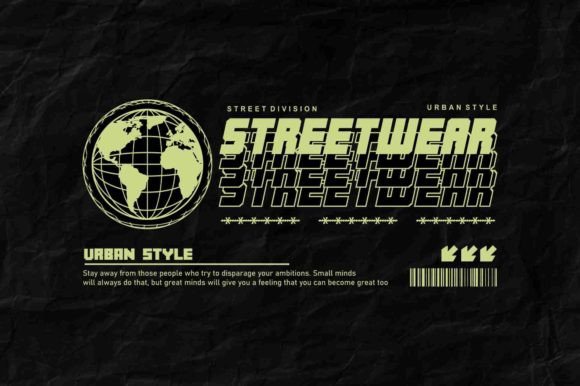
Streetwear isn't just clothing—it's a visual language. The graphic design that defines streetwear t-shirts carries a specific energy: bold, raw, and unmistakably urban. When you look at successful streetwear brands, you notice their t-shirt designs share certain traits. They're confident, often oversized in their visual impact, and they communicate attitude before anything else. This style draws from graffiti, skate culture, hip-hop, and the gritty texture of city life. The designs feel immediate and authentic, which is exactly why they resonate with a demographic that values originality over polish.
What makes Graphic Design for T-Shirt Streetwear stand apart from generic t-shirt graphics is its intentional roughness. You'll find distressed textures, hand-drawn elements, and typography that feels like it was pulled from a brick wall rather than a typesetting manual. The color palettes tend toward high contrast—think black and white with a single accent color, or muted earth tones that give designs a vintage, worn-in feel. These visual choices aren't accidental. They're strategic decisions that make the final product feel like it belongs in someone's daily rotation rather than sitting on a shelf.
Why Vector Format Changes Everything for Print Production
Here's where practical production meets creative vision. A vector-based Graphic Design for T-Shirt Streetwear file is fundamentally different from a raster image, and that difference matters enormously when you're moving from screen to fabric. Vector files use mathematical paths instead of pixels, which means you can scale the design from a small chest print to a full back print without any loss of clarity. The edges stay crisp. The details hold up. Whether you're printing on a standard crew neck or an oversized hoodie, the design maintains its integrity.
For screen printing specifically, vector files are essentially the industry standard. Separating colors for screen printing becomes straightforward when you're working with clean vector paths. Each color layer can be isolated cleanly, which reduces production errors and keeps costs down. If you've ever tried to separate colors from a complex raster file, you know how frustrating that process can become. With EPS files included in a Graphic Design for T-Shirt Streetwear package, your printer can pull spot colors directly, adjust registration, and produce screens with confidence.
Digital printing methods like direct-to-garment (DTG) and direct-to-film (DTF) also benefit from high-resolution source files. While these methods handle raster images better than screen printing, starting with a vector foundation means you can export at any resolution your printer needs. JPEG files at high resolution work perfectly for DTG printing, where the design gets printed directly onto the fabric using specialized inkjet technology. Having both EPS and JPEG formats gives you flexibility across every production method you might encounter.
Applying Streetwear Graphics Across Different Media
The versatility of a well-designed streetwear graphic extends well beyond t-shirts. Once you have a 100% editable vector file, the applications multiply quickly. Jackets—whether denim, bomber, or varsity—become natural canvases. Hoodies, crewnecks, and long sleeves all work with the same core design, though you might need to adjust scale or placement. The editability factor is crucial here. A design that works perfectly centered on a t-shirt chest might need to be repositioned for a jacket back or reduced in size for a sleeve print.
Beyond apparel, these designs translate to accessories like tote bags, hats, and bandanas. They work on posters for pop-up shops and events. They become the foundation for social media graphics that maintain brand consistency across Instagram, TikTok, and other platforms. If you're building a streetwear brand, having a cohesive visual system that starts with strong graphic design and extends across every customer touchpoint is what separates amateur efforts from professional operations.
Evaluating Design Fit for Your Project
Not every streetwear graphic suits every project, so evaluating fit is a step worth taking seriously. Start by considering your target audience's age range, style preferences, and cultural references. A design heavy on graffiti-inspired lettering appeals to a different segment than one featuring minimalist geometric shapes. Look at the visual complexity—does the design communicate clearly at the scale you plan to print it? A highly detailed illustration might look stunning on screen but become muddy when printed small on a sleeve.
Think about your production constraints as well. Some designs with fine lines or subtle gradients present challenges for screen printing, where each color requires a separate screen. If you're working with a four-color screen printing budget, a design with six or seven colors means additional setup costs. The beauty of having editable vector files is that you can simplify a design, reduce color counts, or adjust elements to match your production parameters without starting from scratch.
Font Pairing and Typography Considerations
Streetwear typography often blends multiple typeface styles within a single design. You might see a bold display font for the main headline paired with a condensed sans serif for supporting text, or a rough handwritten script layered over a clean geometric base. When evaluating Graphic Design for T-Shirt Streetwear, pay attention to how the typography choices contribute to the overall mood. A heavy, blocky sans serif conveys strength and stability. A flowing script adds movement and personality. The combination of these elements creates the visual rhythm that makes streetwear graphics feel dynamic rather than static.
If you're customizing the design or creating variations, understanding these typographic relationships helps you make informed decisions. Swapping one font for another can completely shift the design's personality. A modern serif replacing a sans serif might push the aesthetic toward luxury streetwear rather than skate-influenced graphics. Testing these combinations before committing to production saves time and money, especially when you're investing in screen printing setups or large digital print runs.
Building a Brand Identity with Consistent Design Assets
Consistency is what transforms a single cool t-shirt design into a recognizable brand. When you invest in quality design assets—whether that's a Graphic Design for T-Shirt Streetwear package or a broader collection of graphics, patterns, and typography—you're building the visual foundation for everything that follows. Your brand identity isn't just your logo. It's the cumulative impression created by every design choice across your products, packaging, website, and marketing materials.
For entrepreneurs and small business owners entering the streetwear space, starting with strong, professionally designed graphics levels the playing field. You don't need a massive budget to look established. What you need is design that feels intentional, production files that work with your manufacturing partners, and the flexibility to adapt and evolve as your brand grows. Having 100% editable, high-resolution files means you can refine your designs over time, respond to customer feedback, and expand your product line without compromising quality or visual coherence.
The streetwear market rewards authenticity and consistency in equal measure. When your graphic design communicates clearly across t-shirts, jackets, digital platforms, and print materials, you create the kind of brand recognition that turns first-time buyers into loyal customers. That's the real value of investing in quality design assets from the start.